
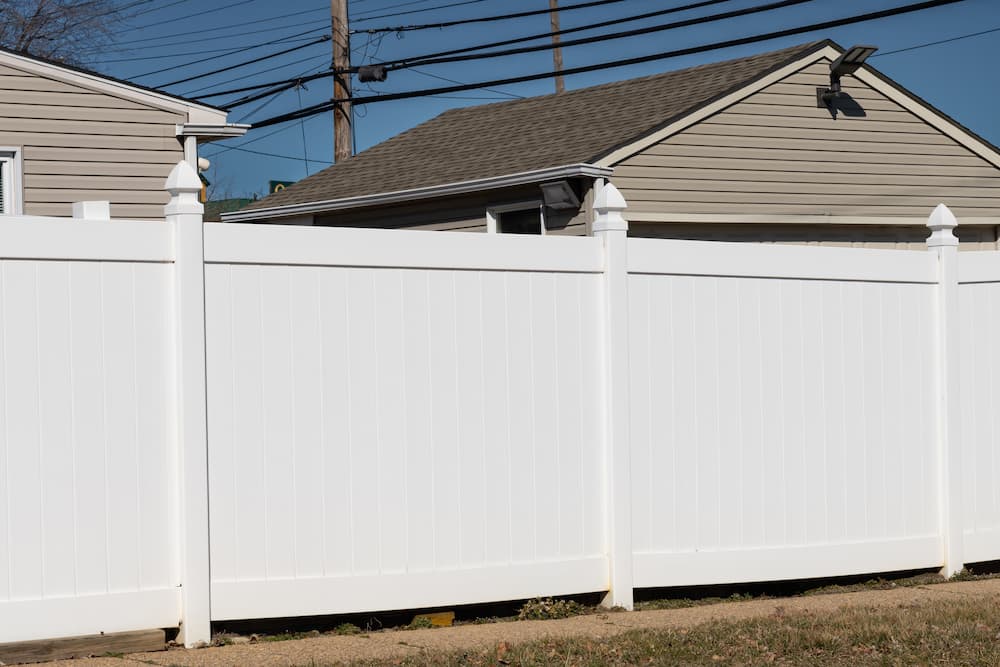
How to Fix Gaps Under Your Vinyl Fence: Easy Solutions
Updated 4/30/2026
Highlights
-
A small gap under your vinyl fence is normal and necessary for proper drainage.
-
When gaps become too large, vinyl kickboards, mesh, or stone can help without replacing the fence.
-
For significant or uneven gaps, professional solutions offer the best long-term results.
A high-quality vinyl fence can serve your property for decades. But over time, you may notice the gap beneath your fence panels growing larger than expected - and that can become a problem.
A small gap of one to two inches at the base of a vinyl fence is actually by design. It allows water to drain freely rather than pooling and pressing against the panels (think of it like a dam: a small opening keeps pressure from building up). The goal isn't to eliminate that gap entirely, but instead to manage it when it grows beyond what's functional or secure.
Understanding Why Gaps Appear Under Your Fence
Gaps may stay manageable for years, then suddenly seem larger. Common reasons include:
-
Soil Erosion: Rain gradually washes away soil, creating low spots or tunnels beneath the fence line.
-
Uneven Terrain: Sloped or irregular ground can make gaps more pronounced in certain areas.
-
Pet Activity: Dogs that scratch or dig along the fence line can widen gaps over time.
Practical DIY Solutions to Fill the Gap
These approaches work well for moderate gaps in fences that are otherwise in good shape.
Wire Mesh or Hardware Cloth: Attaching wire mesh or hardware cloth along the bottom of the fence and burying it a few inches into the soil creates an effective barrier against digging. This is one of the most reliable DIY options for keeping pets contained.
Gravel or Decorative Stone: River rock or crushed stone can fill the space under the fence attractively while discouraging digging and reducing soil erosion. It's a low-maintenance option that holds up well over time.
Topsoil and Sod: If uneven ground is the main culprit, re-grading with topsoil and laying sod can bring the ground level up to meet the fence naturally.
Strategic Planting: Low-growing, shallow-rooted plants can help fill visual gaps and deter pets from approaching the fence line. Choose species carefully. Plants with aggressive or large root systems can damage fence posts over time and create more problems than they solve.
Professional Solutions & Long-Term Prevention
When gaps are significant or span a long section of fence, professional repairs tend to be more durable than DIY fixes.
Vinyl Kickboards: A kickboard (also called a rot board) is installed along the base of the fence and can be cut to follow the contour of the ground. It closes larger gaps cleanly while maintaining the finished look of a vinyl fence.
Concrete Curbing: A narrow concrete border along the fence base creates a permanent, low-maintenance solution. It eliminates the gap entirely in targeted areas and prevents digging.
Keep Your Yard Secure
Walking your fence line a few times a year is the easiest way to catch gaps before they grow. Addressing erosion or settling early keeps repairs simple and inexpensive.
When gaps go beyond normal drainage clearance, the right fix depends on the size, cause, and location. Have questions about vinyl fence components or need guidance on the best approach for your yard? Contact Fencing Direct today.
Image credit: // Shutterstock // Victor Yarmolyuk
