
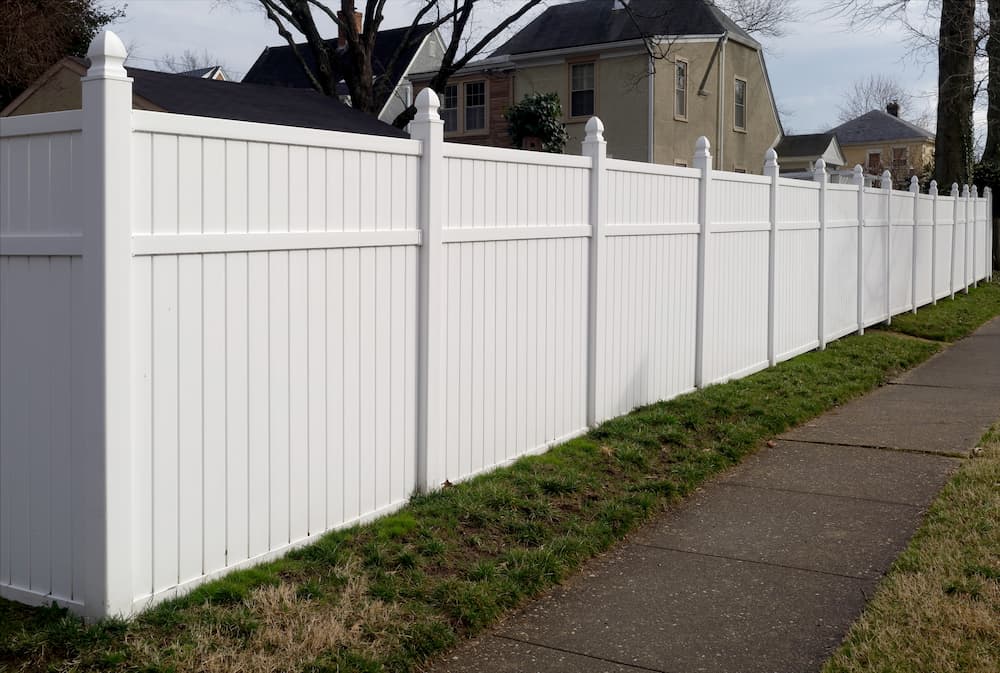
Which Fence Material is Best for Soundproofing?
If you live on a noisy street, you know how valuable quiet time can be. Unfortunately, some streets never sleep. When relocating isn’t an option, installing a noise-reduction fence is one of the most effective ways to reclaim peace in your yard.
High-quality soundproof fencing can significantly reduce outside noise, helping create a calmer, more relaxing outdoor environment. Choosing the right fence isn’t just about looks—it’s an investment in your family’s comfort and well-being.
Understanding STC Ratings for Fences
STC stands for Sound Transmission Class, a measurement of how well a material reduces airborne sound. The higher the STC rating, the better the material is at blocking noise.
STC ratings are determined through standardized lab testing. Sound is played on one side of a material, and technicians measure how much of it passes through to the other side across a range of frequencies. For example, an STC rating of 25 means the material reduces sound by about 25 decibels.
For fences, typical STC ratings usually fall between 20 and 30.
- At the lower end, fences reduce some ambient noise but won’t block louder sounds.
- At the higher end, fences can significantly cut down traffic, neighbor, or street noise, making outdoor spaces much more enjoyable.
Comparing Fence Materials for Soundproofing
Different fencing materials perform very differently when it comes to noise reduction. In general, denser, solid materials with minimal gaps provide better sound blocking.
Here’s a realistic comparison of common fence materials:
- Chain Link – 15–20 (minimal sound reduction)
- Wood – 15–25 (performance varies by construction and gaps)
- Vinyl – 20–30 (higher when solid or tongue-and-groove)
- Specialty Soundproof Fences – 25–30
- Concrete / Masonry – 40+ (excellent but often unnecessary and costly)
While concrete offers the highest soundproofing, it’s typically only needed in extreme cases, such as properties next to highways. For most homeowners, vinyl fencing offers the best balance of performance, appearance, and cost.
Why Vinyl Is an Effective and Practical Sound Barrier
One of the main reasons vinyl performs so well acoustically is density. Unlike materials with open gaps or hollow construction, high-quality vinyl fencing forms a solid barrier that limits sound transmission.
Fencing Direct’s vinyl fences are designed to block up to 98% of direct sound, making them a superior option compared to less dense fencing materials. Solid construction and tight panel connections leave fewer pathways for noise to pass through.
Vinyl also maintains its performance over time. Unlike wood, it won’t warp, shrink, or create gaps due to moisture or temperature changes—helping preserve its sound-blocking effectiveness year after year.
Tongue and Groove Vinyl Fencing
Tongue-and-groove vinyl privacy fencing offers an excellent balance of affordability and sound reduction. While not as acoustically powerful as premium options, it still provides a substantial noise barrier and is a popular choice for homeowners seeking effective soundproofing at a reasonable cost.
Ecostone Molded Vinyl Fences
For maximum noise reduction, Ecostone molded vinyl fencing is the top-tier choice. Designed for superior sound attenuation, this fencing line achieves an STC rating of 26, making it ideal for homeowners who want the quietest possible backyard environment.
Height Matters: The Taller, the Better
Fence height plays a critical role in soundproofing. A taller fence blocks more of the sound’s path, preventing noise from traveling directly into your yard.
Sound waves travel in straight lines but bend around obstacles. Increasing fence height forces sound to travel farther and lose energy before reaching the other side. An 8-foot fence will always block more noise than a 4-foot or 6-foot fence, especially for traffic or neighboring property noise.
Stackable Vinyl Fence Options
Some modular vinyl fencing systems from Fencing Direct can be installed up to 8 feet tall using stackable panels. This design allows homeowners to customize fence height for optimal sound reduction without special manufacturing or complex installation.
Placement Makes a Difference
Placement is just as important as material and height. Installing your fence as close to the noise source as possible helps intercept sound earlier, reducing how much reaches your yard. Proper installation, ensuring tight seams and minimal gaps at the bottom, also prevents sound from slipping through weak points.
Create a Quieter Backyard Retreat
When it comes to soundproofing your yard, vinyl fencing offers an excellent solution. With its high density, effective sound blockage, and ability to be installed at taller heights, vinyl is a top choice for homeowners looking to reduce noise and create a peaceful outdoor space.
At Fencing Direct, we offer a wide range of vinyl fencing options designed for durability, aesthetics, and sound reduction. If you need help choosing the best fence for your property, our team is always here to help.
Image credit: // Shutterstock // Noel V. Baebler
