
Before Installing a Porch Deck Railing
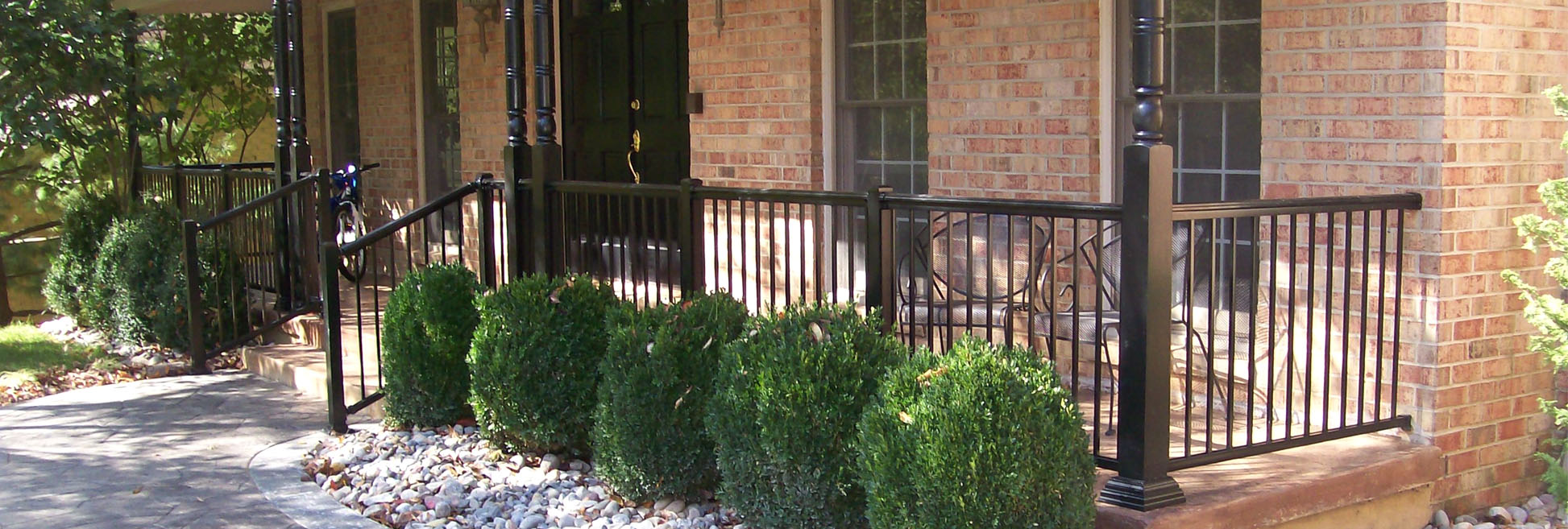
Most homeowners want their outdoor spaces to look good while keeping family and guests safe. Adding a porch or deck railing can improve both appearance and functionality, especially around stairs, elevated areas, and entryways. Before you begin, it helps to ask the right questions, so your project stays on track from planning to installation.
What Is My Budget for This Project?
Start by setting a comfortable budget. Your total cost may include railing panels, posts, brackets, hardware, and finishing touches like post caps or trim. Layout, height, and material choice can all affect pricing.
Comparing options early makes it easier to stay within your range and avoid surprises later.
Have I Measured My Porch or Deck Correctly?
Accurate measurements are the foundation of a smooth project. Start by measuring the length of each section where the railing will be installed, noting any corners, stair runs, or transitions. If you cannot mount your railing brackets directly to an existing wall or column, you will need to account for posts at each end.
Because aluminum and vinyl have different structural requirements, your measurements will determine which posts and bracket types you need to order.
Technical Tip: Understanding the Components
While both systems provide a professional finish, the "skeleton" of the installation is material-specific:
- Vinyl Railing Systems: These are built by first installing a wood 4x4 post or a dedicated aluminum mounting post to your deck frame. A vinyl sleeve is then placed over the post, followed by the skirt/trim. Finally, the railing panels are secured to the posts using specific brackets. The post is finished with a cap.
- Aluminum Railing Systems: These typically use aluminum mounting posts that come with their own matching trim and caps. Alternatively, they can be installed using a wood 4x4 with an aluminum sleeve, though this requires purchasing additional trim and caps to ensure a seamless look.
Choosing Your Brackets: Depending on your deck’s layout, you will need to select the correct hardware for each connection:
- Flat Brackets: For standard straight runs. One set comes with each panel, but additional brackets are available for purchase.
- Stair Brackets: Designed to angle railing panel for stair sections. One set comes with each stair section panel, but additional brackets are available for purchase.
- Angled Bracket Adapters: Used for unique "non-90-degree" corners (acute or obtuse angles).
Should I Choose Aluminum or Vinyl Railing?
Our professionally engineered systems are built for long-term durability and easier installation. Fencing Direct offers aluminum and vinyl railing designed specifically for residential decks and porches, with components made to fit together securely and meet safety standards.
The right choice comes down to the look you want and how much maintenance you’re comfortable with.
Aluminum Railing
Aluminum railing is known for its sleek, clean lines and modern appearance. The slim balusters keep views open, which makes it a popular choice for decks with scenic surroundings.
Homeowners often choose aluminum because it:
- Holds up well in changing weather
- Won’t rust
- Doesn’t require painting or staining
- Is easy to clean
- Comes in darker colors
It’s a great fit for contemporary homes or anyone who prefers a minimal, open look.
Vinyl Railing
Vinyl railing offers a more traditional and substantial appearance. With its crisp lines and classic style, it works beautifully on front porches, decks, and other outdoor spaces.
Many homeowners like vinyl because it:
- Has a clean, finished look
- Doesn’t need painting
- Resists rot and insects
- Requires simple upkeep
Vinyl can create a slightly more defined border around your space, which some homeowners prefer for privacy or architectural balance.
Does the Style Match My Home?
Railing style affects both curb appeal and how open your outdoor space feels.
- Aluminum: Known for sleek, slim balusters that maintain visibility. It’s perfect for modern homes or decks with a view.
- Vinyl: Offers a traditional, "heftier" look. It’s a classic choice for front porches and colonial-style architecture.
What Safety and Building Code Rules Apply?
Most areas have building codes that regulate railing height and spacing. Checking local requirements before purchasing materials ensures your project meets safety standards and avoids issues during inspection.
It’s also important to choose products made specifically for porch and deck railing, since they’re built to handle real safety needs.
Are There HOA Guidelines I Need to Follow?
If you live in a neighborhood with a homeowner association, review their rules before purchasing materials. Some HOAs restrict colors, styles, or finishes. Getting approval in advance can prevent costly changes later.
How Will the Installation Actually Work?
While installation details vary slightly between aluminum and vinyl systems, both are designed to attach securely to your deck or porch structure. Posts are anchored first, trim slide on or click into place, followed by panels, then finished with post caps for a polished look.
If you’re unsure about installation, consulting a professional can provide peace of mind.
Final Thoughts
Adding a porch or deck railing is about more than safety - it’s about creating an outdoor space that feels complete. By understanding that vinyl and aluminum require different tools and steps, you can prepare your workspace and your timeline accordingly.
Explore Porch Railing Options with Fencing Direct
If you’re considering porch or deck railing, Fencing Direct offers a range of railing systems designed to work with different home styles and layouts. Options are available in multiple colors, sizes, and configurations, along with the components needed for installation, such as rails, balusters, brackets, and supports.
