
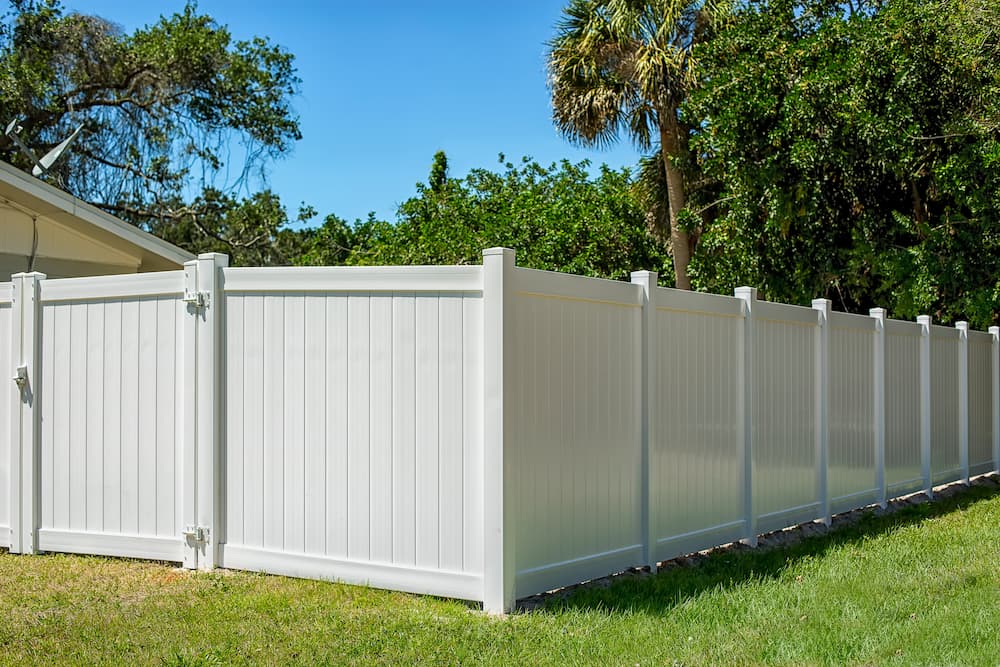
Cutting Vinyl Fence Panels to Fit Your Needs
Cutting vinyl fence panels to a custom size doesn’t have to be intimidating. Vinyl fencing is designed to be cut when needed, and with the right tools and approach, you can achieve clean, professional-looking results. In this guide, we’ll walk you through when and why vinyl fences are cut, the safest DIY method to use, and how to avoid common mistakes.
Picture this: you carefully measure and install panel after panel, only to reach the end of the fence line and realize a standard 6-foot panel won’t fit the remaining space. Fortunately, vinyl fencing allows for simple adjustments, so situations like this don’t derail your project.
Can Vinyl Fence Panels Be Cut to Size?
Yes! Vinyl fence panels are meant to be cut to size. However, not all cutting methods are equally DIY-friendly.
There are two main approaches:
The Remainder Method (Recommended for DIY)
This is the simplest and safest method for homeowners. Full panels are installed across the fence line, and only the final panel is cut down to fit the remaining space. This minimizes measuring, reduces waste, and lowers the risk of costly mistakes.
The Proportional Method (Contractor Recommended)
This method distributes smaller cuts across multiple panels so that no single panel appears shorter. While visually balanced, it requires precise calculations and increases the likelihood of material waste. For that reason, it’s best left to professional installers.
Why You Might Need to Trim a Vinyl Fence
There are several common situations where cutting vinyl fencing is necessary:
Adjusting to Fence Length Requirements
Fence panels rarely align perfectly with total fence length. Cutting the final panel ensures a clean, secure installation without uneven spacing.
Pro Tip: Always order extra material at checkout. This helps cover measuring errors and is far more cost-effective than paying shipping for replacement panels later.
Accommodating Sloped Yards
On uneven terrain, fences are often “stepped” to follow the slope. This may require:
- Using blank or end posts
- Cutting new rail holes into posts
- Trimming rails or panels
Alternatively, vinyl fence brackets can be used instead of cutting post holes.
Surface Mounting
When installing vinyl fencing on concrete patios, pool decks, or hard surfaces, posts must be cut to height before being surface-mounted with base plates or brackets.
Essential Tools & Safety
Before starting, gather the proper tools:
- Circular saw or miter saw
- Fine-tooth carbide blade (prevents chipping and cracking)
- Tape measure and carpenter’s square
- Workbenches or sawhorses
Safety always comes first. Wear safety goggles and gloves throughout the process.
Step-by-Step: Cutting Vinyl Fence Rails
Step 1: Measure Correctly
Vinyl panels are measured center-to-center between posts, not by the physical rail length. When cutting rails, remember to add 1.5 inches on each end so the rail can properly seat inside the posts.
Step 2: Mark the Cut
Use a pencil or masking tape to create a clear, straight cut line.
Step 3: Make the Cut
Run the saw at a steady pace with consistent pressure. Moving too slowly can cause friction heat, which may melt the vinyl rather than cut it cleanly.
Step 4: Re-Notch If Needed
If the cut removes the factory notch:
- Use a rail notching tool, or
- Install vinyl rail brackets to secure the rail inside the post
Handling Aluminum & Steel Inserts
Some vinyl panels, especially 8-foot panels, include aluminum or steel inserts for reinforcement, often required by local building codes.
- Challenge: Cutting through reinforced rails
- Solution: Cut the vinyl first, then use a metal-cutting blade or hacksaw for the insert
Important: The metal insert must be cut to exactly the same length as the vinyl rail to ensure proper assembly.
Common Mistakes to Avoid
- Measurement errors: Forgetting post depth or center-to-center spacing
- Wrong blade: Coarse blades can crack or chip vinyl
- Rushing: Cutting too slowly can melt the vinyl edges
Get Expert Help from Fencing Direct
With the right tools and techniques, cutting vinyl fence panels to a custom size is a DIY project most homeowners can handle with confidence. And if you’re unsure at any step, Fencing Direct has fencing experts on call who can help answer questions before you cut, saving time, money, and materials.
When you’re ready to start your project, browse Fencing Direct for high-quality vinyl fencing, accessories, and expert support every step of the way.
Image credit: // Shutterstock // Genotar
