
How to Paint a Chain Link Fence (and Why You Might Not Want To)
If you have a rusty or galvanized fence, painting it might seem like a great way to spruce it up. And while it is doable, you need a lot of time and patience—and the right materials to get the job done. Use this guide from Fencing Direct to see if the paint project is in your wheelhouse and to explore some great alternatives.
Can You Paint a Chain Link Fence?
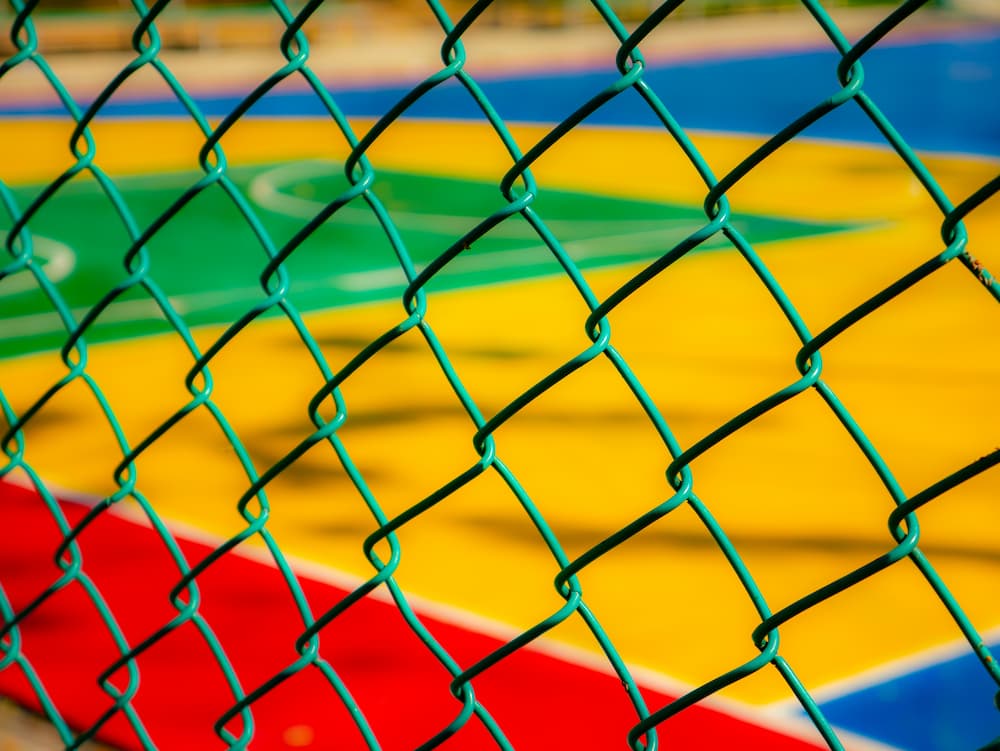
A painted chain link fence looks great. Painting it black or green can even make it blend into the background and boost curb appeal. But painting a fence after the fact may be more tricky (and messy) than it's worth.
The Reality Check: Is Painting Worth the Effort?
While the upside is aesthetics, here's the downside of painting a chain link fence you already own:
- More maintenance. Once you paint it, you have to keep painting it to remove chips and peeling.
- The cost to paint a chain link fence. The project takes a lot of time, patience, and attention to detail—and if you're putting in all the effort, it's only really worth it if you choose premium-grade primer and paint. For the same materials and labor costs, you can often replace the mesh with pre-coated vinyl chain link that won't require ongoing maintenance and touchups.
Step-by-Step Guide: How to Paint a Chain Link Fence
The process of how to paint a chain link fence involves three main steps:
Phase 1: Surface Preparation (The Most Important Step)
Make sure the fence is as clean as possible before you start painting. If it has rust, use a wire brush to remove all of the flakes. Then use a degreaser or diluted vinegar to remove any dust or dirt on the surface so the paint can adhere to every part of it.
Phase 2: Choosing the Best Paint for Chain Link Fence
Normal exterior paint won't adhere well to the surface. The friction between the links will make the paint flake. Instead, you need flexible, rust-inhibitive paint designed specifically for painting chain link fences. So start off with the best paint for chain link fence, especially if you're painting a galvanized fence. Look for a primer that prevents rust and then oil-based enamels. A long-nap roller takes time, but it provides a more comprehensive finish and less waste and mess than spray paint for a chain link fence.
Phase 3: Application Techniques
There are two main techniques for successfully painting a rusty chain link fence: use a thick-nap roller of up to 1.5" to paint both sides of the mesh fence at once (call the "two-person" roller method), and then use a paint brush to coat hardware and the posts separately.
Pro Tips for a Clean Finish
From start to finish, painting can be a 48-hour project, so schedule the project for when the weather is rain-free and not windy. Protect the area before you start painting—especially if you're thinking about spray paint. Cover the nearby ground, plants, and structures with a drop cloth or spare cardboard so excess paint won't ruin your landscaping.
A Better Alternative: Pre-Coated Chain Link
Instead of painting, consider the vinyl-coated chain link fabric. The color is factory-bonded and permanent, with no peeling. That means you can enjoy a color refresh without ongoing DIY work. You can also replace the mesh with new, coated mesh for a cost-effective alternative to new fencing and a faster fix than painting.
Ready to Refresh Your Yard?
An old fence can be an eyesore and reduce your security on your property. But painting is just a temporary band-aid, especially compared to options like remeshing or new fabric. Explore some replacement options at Fencing Direct—find high-quality hardware, replacement materials, and more.
Image credit: // Shutterstock // Tawan Ramtang
