
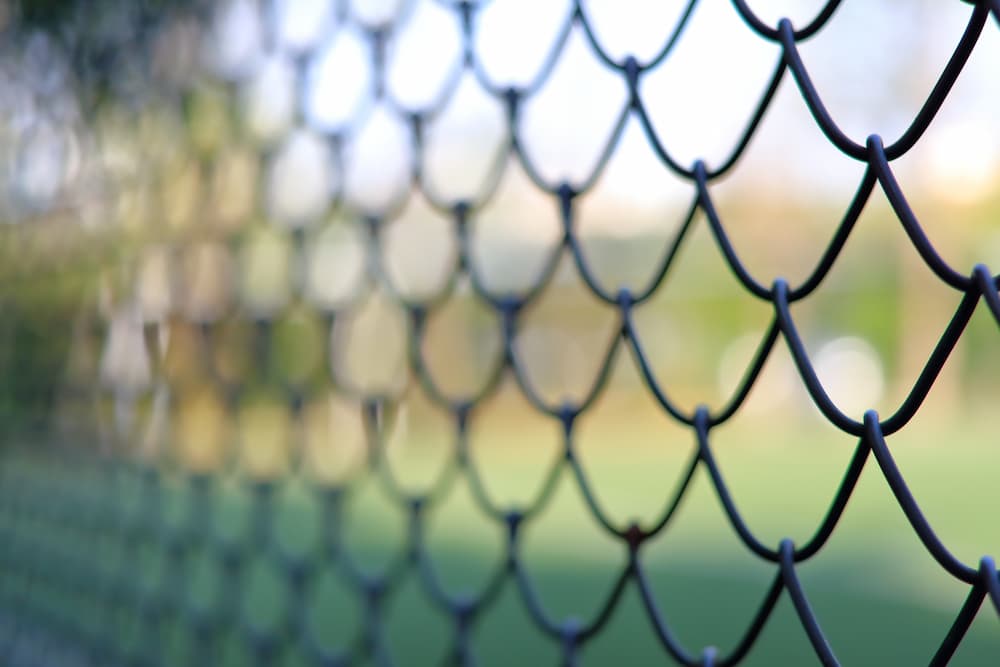
What is a Cyclone Fence? Everything You Need to Know
We see cyclone fences almost everywhere—residential yards, schools, parks, sports fields, and industrial sites. This type of fence has been a go-to choice for security, safety, and boundary marking for decades, making it one of the most recognizable fencing options in the world.
In this guide, we’ll break down everything you need to know about cyclone fences: what they are, how they’re made, where they’re used, and why they remain such a popular and practical fencing solution.
Cyclone Fence vs. Chain-Link: What’s the Difference?
Here’s the simple answer: there is no difference.
A cyclone fence is just another name for a chain-link fence. Depending on the region or industry, it may also be called a wire-mesh fence, diamond-mesh fence, hurricane fence, or wire netting. These terms all refer to the same fencing system made from interwoven steel wire.
The name “cyclone fence” comes from its ability to withstand strong winds. Because the open mesh design allows air to pass through, cyclone fencing is far less likely to be damaged or uprooted during storms compared to solid fencing types.
A Brief History of the Cyclone Fence
Cyclone fencing traces its roots back to the mid-19th century, evolving from early woven wire fencing developed in the United Kingdom during the 1840s and 1850s. These early designs were primarily used for agricultural and industrial purposes.
In the United States, cyclone fencing gained widespread popularity during and after World War II. Rapid suburban expansion, industrial growth, and the need for affordable, durable fencing made chain-link fencing a natural choice. Over time, it became a standard solution for everything from residential yards to high-security industrial facilities.
Today, cyclone fences are used virtually everywhere - and for good reason.
Where Cyclone Fences Are Commonly Used
Cyclone fencing offers a unique combination of security, visibility, durability, and affordability, making it suitable for a wide range of applications:
- Residential: Pet containment, property boundaries, garden protection
- Commercial: Schools, parks, playgrounds, and sports field backstops
- Industrial: Warehouses, construction sites, factories, and temporary fencing
Because the mesh allows light and visibility to pass through, cyclone fencing provides security without making spaces feel closed off.
Customization Options: Gauges, Heights, and Coatings
One of the biggest advantages of cyclone fencing is how customizable it is.
Wire Gauge
Gauge refers to the thickness of the wire. Lower gauge numbers mean thicker, stronger wire:
- 9-gauge: Heavy-duty and industrial use
- 11-gauge: Common for residential applications
Galvanized Cyclone Fences
Galvanized steel is the standard option, coated in zinc to prevent rust and corrosion. This makes it ideal for outdoor use in all climates and keeps maintenance costs low.
Color-Coated Options
For added protection and improved aesthetics, cyclone fences can be vinyl- or PVC-coated. These coatings help the fence blend into the surrounding landscape while adding another layer of weather resistance.
Pros and Cons of Cyclone Fencing
Like any fencing option, cyclone fences come with advantages and limitations.
Pros
- Durability: Resistant to wind, impact, and weather
- Affordability: One of the most cost-effective fencing options available
- Low Maintenance: Easy to clean with soap and water
- Visibility: Maintains open sightlines and allows light through
Cons
- Aesthetics: More utilitarian in appearance than wood or vinyl
- Privacy: Standard mesh provides little privacy (privacy slats can be added)
Installation and Cost Effectiveness
Cyclone fencing is popular not just for its durability, but also for how practical it is to install and maintain.
- DIY-Friendly: Many homeowners can install cyclone fencing themselves using basic tools, saving on labor costs.
- Easy Repairs: Damaged sections can be cut out and replaced without removing the entire fence.
- Excellent Value: Low upfront cost, long lifespan, and minimal maintenance make cyclone fencing one of the best options for budget-conscious property owners who still want security.
Secure Your Property with Fencing Direct
Whether you call it a cyclone fence or a chain-link fence, this classic fencing solution continues to stand the test of time. Its durability, affordability, and versatility make it a smart choice for residential, commercial, and industrial projects alike.
Browse the Fencing Direct catalog to explore galvanized and color-coated cyclone fencing options and get started on your project today.
Image credit: // Shutterstock // Thanachai.K
